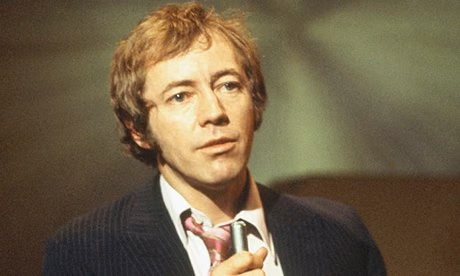
I’ve always been fascinated by the unique power of the singer-songwriter—the solitary voice that crafts both the melody and the message, a tradition that deeply influenced my own musical path. In my career, the act of sitting with a guitar, shaping a personal thought into a universal song, felt like participating in a centuries-old conversation. It’s a lineage that stretches from ancient hearths to modern streaming platforms, constantly evolving yet always rooted in authentic human expression. This is a history I’ve lived within, and it’s the story I want to trace here: the journey of the individual creator, from troubadour to troubadour.
The Folk Roots and the Troubadour Tradition
To understand the singer-songwriter, you must start long before recording studios, in the folk roots and troubadour traditions of Europe. This is where the archetype was born: the travelling performer who carried news, stories, and social commentary from village to village. In the British Isles, this was an oral tradition, a living library of ballads passed down through generations that spoke of love, loss, work, and rebellion. The connection between performer and audience was direct and unmediated, a quality that would become the holy grail for singer-songwriters centuries later.
The Medieval Minstrel
The medieval minstrel or troubadour was perhaps the first true singer-songwriter. They were composers and performers rolled into one, often crafting songs for courtly love or satire. While their patronage system was a world away from today’s music industry, their core function—using music to articulate a specific perspective, emotion, or narrative—established the foundational model. They proved that a single voice, accompanied by a simple instrument, could hold immense power, setting a precedent for the intimate, personal connection that defines the genre.
The Folk Revival’s Foundation
The 20th-century folk revival didn’t emerge from a vacuum; it was a conscious reconnection with these deep roots. Scholars and collectors like Francis Child, who catalogued hundreds of Scottish and English ballads, provided the raw historical material. Crucially, institutions like the BBC recognised the cultural importance of this heritage. Through dedicated folk music programming, the BBC broadcast these traditional sounds into homes across the UK, preserving them and inspiring a new generation. This national platform gave folk music legitimacy and reach, creating a fertile ground for the modern singer-songwriter to grow from.
The 1960s: A Revolution in Personal Expression
If the folk tradition provided the soil, the 1960s was the explosive bloom. This was the decade the singer-songwriter truly stepped into the spotlight, driven by a seismic shift towards personal expression. The influence of American artists, particularly Bob Dylan, was colossal, demonstrating that songs could be complex, poetic, and fiercely individualistic. In the UK, this spirit fused with our own folk scene, creating a vibrant, introspective, and often politically charged movement centred in London.
The Coffee House Circuit
The heartbeat of this UK scene was the intimate coffee house and folk club. Venues like Les Cousins in Soho, London, became legendary incubators. In its cramped, all-night sessions, artists like Bert Jansch, John Renbourn, and a young Paul Simon honed their craft. It was a community built on close listening and artistic respect. Supporting this ecosystem were pioneering independent labels like Transatlantic Records, which took risks on these new voices, documenting the scene and proving there was an audience for thoughtful, acoustic-based songwriting beyond the pop charts.
Lyricism as Literature
This era redefined what song lyrics could be. Inspired by Dylan, poets like Donovan led a charge where lyrics were no longer just catchy phrases but dense, allusive, and deeply personal literature. Songs became vehicles for social commentary, surrealist imagery, and intimate confession. This elevation of the text empowered the songwriter as a *writer* first, placing unprecedented emphasis on the weight and nuance of every word. The message became as important as the melody, inviting listeners to engage their minds as well as their ears.
The 1970s: Confessionals and Craft in the UK
As the 1960s counterculture faded, the singer-songwriter genre matured and branched in two distinct, influential directions within the UK. On one side was the raw, introspective ‘confessional’ style; on the other, a new pinnacle of highly crafted, studio-perfected pop songwriting. Both strands thrived in the professional environment of London’s burgeoning studio scene, where technology began to serve the song in new ways.
The Confessional Movement
Artists like Cat Stevens and, later, John Martyn, turned the songwriter’s gaze intensely inward. Their work was characterised by vulnerable self-examination, exploring themes of spirituality, doubt, and personal relationships with stark honesty. The production, often centred around the voice and acoustic guitar, aimed to amplify this intimacy, making the listener feel like a confidant. This movement solidified the idea that a songwriter’s most powerful material could come from mining their own emotional landscape, a concept that remains dominant today.
The Craft of Pop Songwriting
Simultaneously, the 1970s saw the rise of the singer-songwriter as a consummate pop craftsman. The duo of Elton John and Bernie Taupin epitomised this, separating the roles of lyricist and composer while maintaining a singular artistic vision. Their work, and that of others like David Bowie, demonstrated that sophisticated, elaborate production could coexist with profound songwriting. This craft was honed in world-class facilities like AIR Studios in London, founded by George Martin. At AIR, the song was the blueprint, and the studio’s technology—from grand pianos to innovative mixing desks—was used to build it into something timeless and expansive.
Punk, Pop, and the DIY Ethos
Just as the 1970s singer-songwriter scene risked becoming too polished or introspective, the punk explosion of 1976 ripped up the rulebook. Its energy was anarchic, but its core ethos—that anyone could and should pick up an instrument and express themselves—was a radical democratisation of the singer-songwriter ideal. This DIY spirit, followed by the pop-smart intelligence of New Wave, revitalised the genre for a new generation.
Punk’s Democratic Call
Punk’s rallying cry was a direct challenge to perceived musical elitism. Bands like The Clash and The Sex Pistols, though not traditional singer-songwriters, preached that technical prowess was less important than raw passion and something to say. This empowered countless individuals to start writing songs without formal training. Independent labels were crucial in capturing this energy, none more so than Stiff Records, whose iconic “If it ain’t Stiff, it ain’t worth a fuck” slogan championed a brilliantly eclectic roster of artists who shared an attitude, not a genre.
New Wave’s Pop Intelligence
In punk’s wake, New Wave artists like Elvis Costello and Joe Jackson took the DIY energy and fused it with sharp, literate songwriting and a deep knowledge of pop history. Costello, in particular, became a defining figure, merging the anger of punk with the nuanced wordplay of a classic songwriter. This era proved that pop sensibility and intellectual depth weren’t mutually exclusive. The singer-songwriter could be clever, catchy, and critically acclaimed, navigating the charts without compromising their unique voice or vision.
The Modern Landscape: From Britpop to Global Streams
The journey of the singer-songwriter enters our contemporary era through the gateway of Britpop, which itself was a reaction to the American grunge sound. Bands like Oasis and Blur, while group-focused, reinforced a very British model of songwriting duos (Gallagher/Gallagher, Albarn/Coxon) that harked back to the Lennon/McCartney template. Today, the landscape is defined by digital access and the enduring quest for authenticity in a saturated market.
The Britpop Legacy
Britpop’s importance was its reassertion of the primacy of the *song*. Amidst the media frenzy and cultural battles, the goal was to write anthems—well-constructed, melodic, and lyrically sharp songs that connected on a mass scale. It reminded the industry that at the heart of every great movement is a collection of great songs. This focus on craft, coupled with a distinctly British identity, provided a clear pathway for the solo artists who followed, proving that personal songwriting could achieve stadium-sized resonance.
The Digital Age and Authenticity
The digital revolution has transformed everything about how music is made, distributed, and discovered. Platforms like Spotify and YouTube allow a singer-songwriter in a bedroom in Brighton to reach a global audience overnight, a once-unthinkable democratisation. Yet, this abundance has made the core tenets of the tradition more valuable than ever. In a sea of content, listeners crave genuine connection. Modern UK artists like Adele, Ed Sheeran, or Sam Fender succeed because their songwriting feels personal, truthful, and crafted—a direct lineage from the troubadours. The tools have changed, but the mission remains: to tell a true story well.
From the medieval minstrel to the streaming superstar, the singer-songwriter’s journey is a testament to the enduring power of individual voice. It’s a tradition built on folk roots, revolutionised by personal confession, challenged by punk ethics, and continually reshaped by technology. Through every iteration—whether broadcast by the BBC, performed in the sweat of Les Cousins, produced at AIR, released by Stiff, or streamed worldwide—the constant has been the authentic connection forged through story and song. That, ultimately, is the timeless and compelling heart of the craft.
Frequently Asked Questions
What exactly defines a ‘singer-songwriter’?
At its core, a singer-songwriter is an artist who writes, composes, and performs their own original musical material. The key is the fusion of the lyricist, composer, and performer into one individual (or a close-knit duo like a Taupin/John partnership). This creates a direct, authentic line from the creator’s personal expression to the audience, which is the genre’s defining characteristic, setting it apart from interpreters who perform songs written by others.
Why was the 1960s so pivotal for the singer-songwriter in the UK?
The 1960s provided a perfect storm of influences: the intellectual and poetic charge from Bob Dylan, a thriving domestic folk club circuit (like Les Cousins) for incubation, and a growing audience seeking more depth from popular music. Independent labels like Transatlantic Records supported this new wave, while a broader cultural shift towards individuality and social consciousness created a demand for the personal, narrative-driven songs that singer-songwriters excelled at creating.
How did punk rock influence singer-songwriters?
Punk’s influence was philosophical rather than stylistic. Its “do-it-yourself” (DIY) ethos dismantled the idea that you needed to be a virtuoso to make music. This empowered a generation to pick up guitars and write raw, honest songs based on attitude and message alone. Furthermore, the independent label network that punk bolstered, exemplified by Stiff Records, created crucial distribution channels for unique voices that fell outside the mainstream.
Who are some key British singer-songwriters from the ‘confessional’ style of the 1970s?
The 1970s UK confessional movement was led by artists who turned inward for their material. Cat Stevens is a prime example, with albums like *Tea for the Tillerman* exploring spiritual quest and doubt. Nick Drake’s fragile, introspective work, though underappreciated in his lifetime, became a touchstone. John Martyn also pushed boundaries, using his voice and guitar to express deeply personal emotion, often blending folk with jazz and blues influences.
How has the digital age changed the game for today’s singer-songwriters?
The digital age is a double-edged sword. It has democratised access: anyone can record on a laptop, distribute globally via platforms like Spotify, and build an audience on social media without a traditional record deal. However, this has also led to immense market saturation. The challenge for the modern singer-songwriter is cutting through the noise, which has, in many ways, refocused success back onto the timeless qualities of authentic storytelling, strong songcraft, and building a genuine connection with listeners.