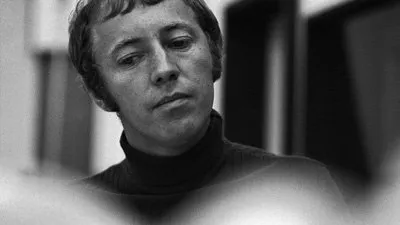
My life in music and performance was a rich tapestry woven from unexpected threads, from my father’s shadow to the London folk clubs and the Oscar-winning song that changed everything. It was a journey of finding my own voice, quite literally, and learning that a creative path is rarely a straight line. Looking back, I see a story not of a single defining moment, but of a series of passions and pursuits that together formed a uniquely rewarding career.
Beginnings: From London’s West End to a Folk Guitar
The world of greasepaint and curtain calls was my earliest backdrop. My childhood was steeped in the atmosphere of the theatre, a legacy of my father, Rex Harrison. It was a world of glamour and discipline, but one that initially felt more like his domain than mine. I absorbed its rhythms and stories from the wings, an experience that would later inform my own performances in ways I couldn’t then imagine.
Growing Up in the Shadow of the Stage
I spent a great deal of time around some of London’s most prestigious venues, like the Theatre Royal, Haymarket, where my father often performed. That environment was both inspiring and intimidating. It set a high bar for artistic excellence, and for a long time, I followed a similar path, training as an actor. I appeared in repertory theatre and early television roles, but always with the sense that I was navigating a pre-ordained route. The stage was in my blood, but I hadn’t yet found the script that was truly my own.
Finding My Own Sound in Soho’s Coffee Houses
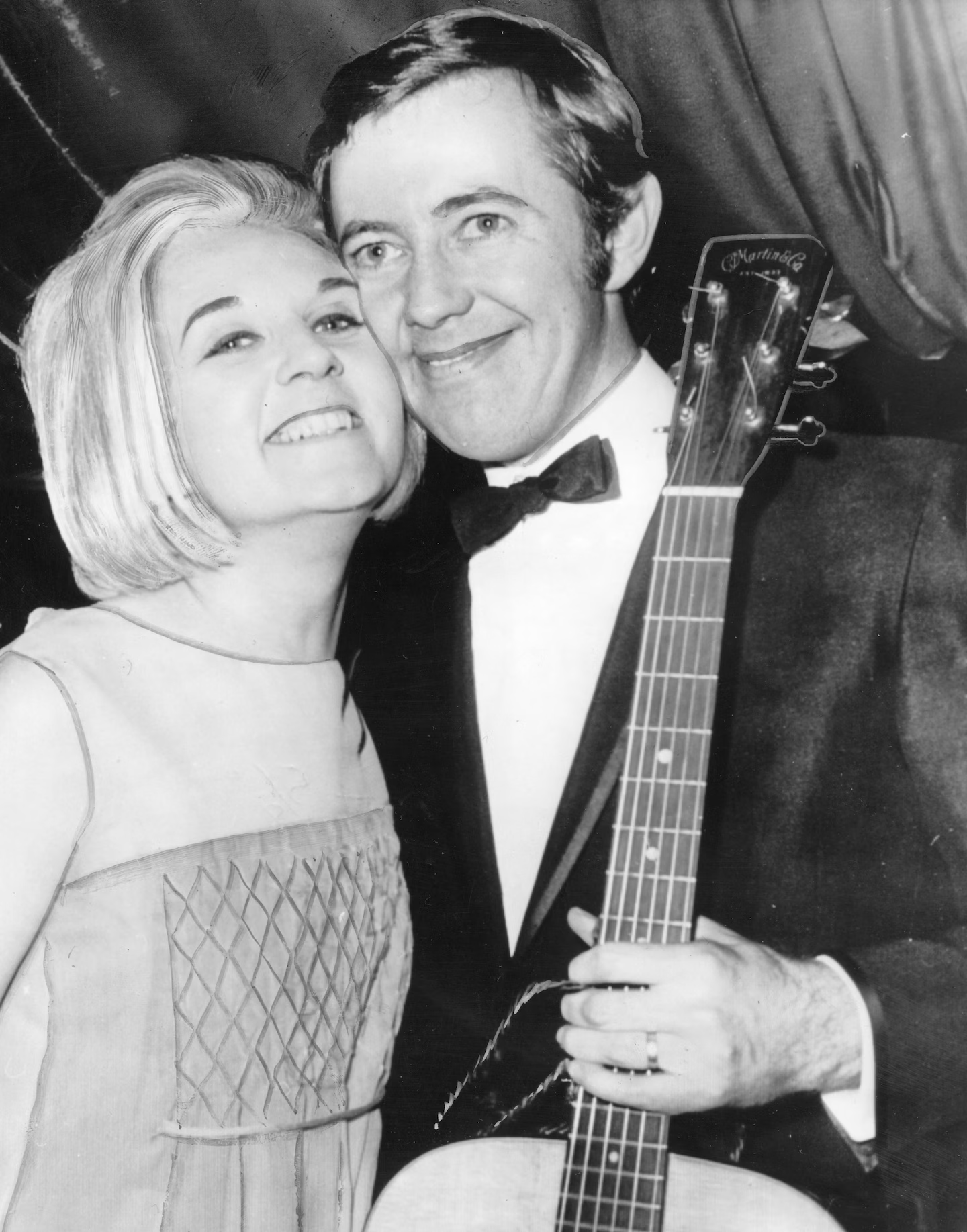
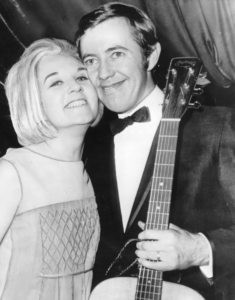
The early 1960s brought a profound shift. The burgeoning folk scene in London, centred in Soho’s intimate coffee houses and clubs, offered a completely different kind of performance. I picked up a guitar, taught myself some chords, and started to sing. Here, the connection was direct and personal—no proscenium arch, just the raw exchange of a song and a story. This was where I began to craft my identity as a singer & songwriter, separate from the theatrical dynasty I was born into. The folk revival was my university, and it gave me the confidence to express my own perspective.
The Song That Defined a Career: ‘The Windmills of Your Mind’
While I was building a career as a music artist with a growing cult following, fate intervened in the most cinematic way possible. In 1968, I was asked to record a song for a new Steve McQueen film. The track was a haunting, lyrically complex composition by Michel Legrand, Alan and Marilyn Bergman, called ‘The Windmills of Your Mind’. Little did I know it would become the single most defining piece of my professional life.
Recording for a Hollywood Thriller
The song was for the sophisticated crime caper, ‘The Thomas Crown Affair’. My recording was used over the opening credits, setting the film’s enigmatic, psychological tone. The producers wanted a voice that conveyed a certain worldly, narrative quality, and my delivery—restrained yet evocative—fit their vision. I approached it as a storyteller, trying to unravel the song’s beautiful, circular mystery. When the film was released, the reaction to the song was immediate and overwhelming.
An Unexpected Oscar Win & Lasting Legacy
The success was staggering. ‘The Windmills of Your Mind’ became a global hit, climbing charts on both sides of the Atlantic. The pinnacle came in 1969 when the song won the Academy Award (Oscar) for Best Original Song. To have my name forever linked to an Oscar-winning record was, and remains, a surreal and immense honour. It transformed my career overnight, bringing my music to an international audience. It became, and still is, my signature track—a piece of artistry I am forever proud to have been a part of.
My Discography: Albums, Singles & Songwriting
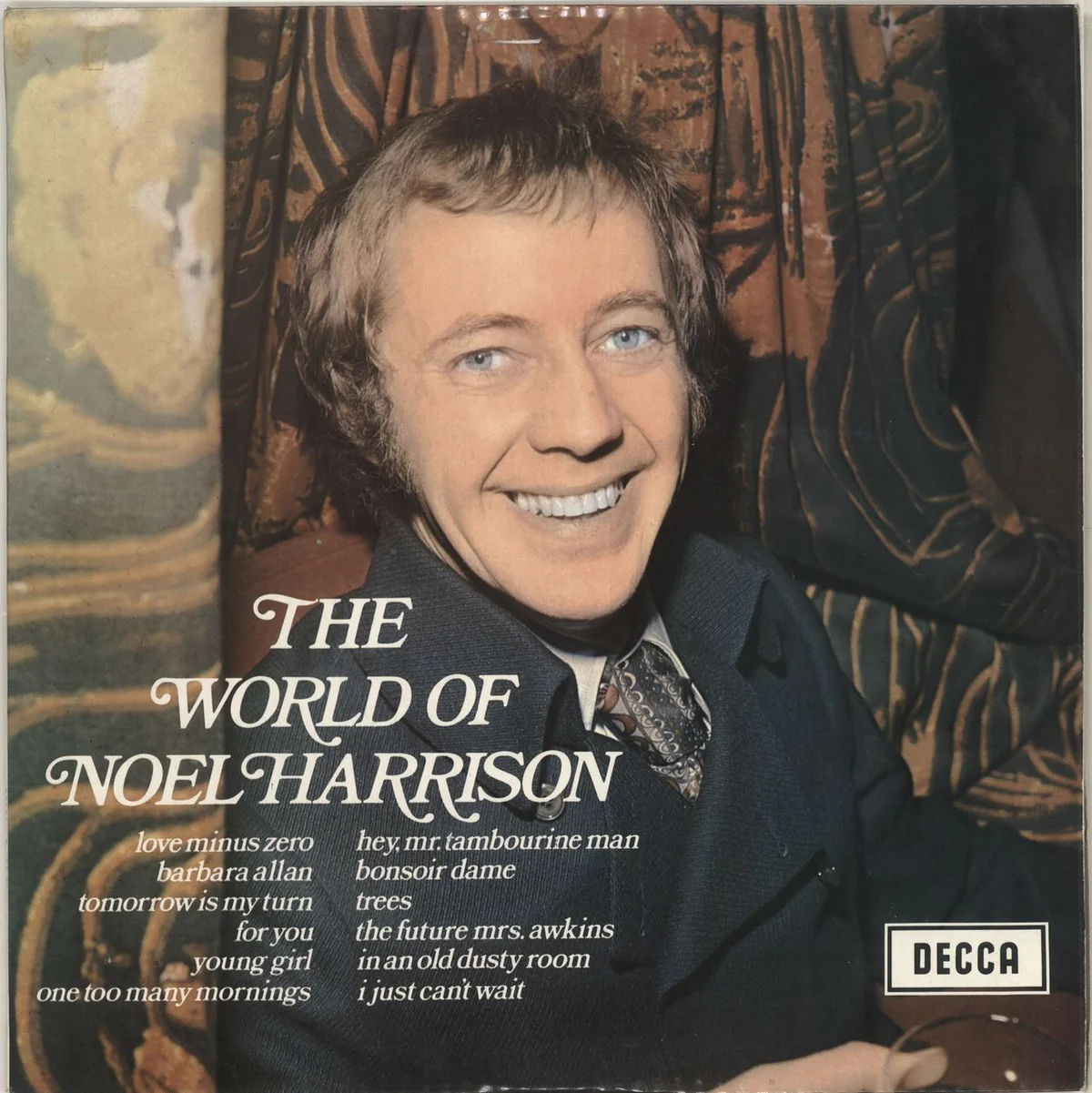
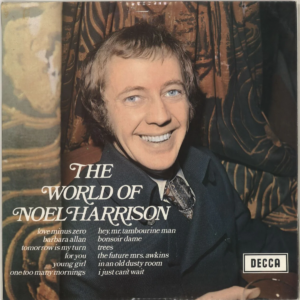
While ‘Windmills’ was the commercial breakthrough, my discography tells a broader story of my musical journey. It encompasses interpretations of contemporary songwriters, my own compositions, and the evolution of my sound across a changing musical landscape.
The Fontana Records Years
My most prolific period was with Fontana Records in the late 1960s. My 1967 self-titled album, ‘Noel Harrison’, on the label captured the spirit of the times, blending folk with baroque pop arrangements. It featured my early single ‘Suzanne’, a beautiful rendition of Leonard Cohen’s then-unknown masterpiece, which helped introduce his work to a wider UK audience. Later albums like ‘Collage’ (1970) allowed for more experimentation, reflecting my diverse influences and interests as a songwriter and interpreter.
Beyond the Hit: My Own Compositions
I always valued the craft of songwriting. Alongside recording, I wrote material for other artists and for television, enjoying the challenge of writing to a brief or for a specific voice. This work, though less public-facing than my recordings, was a vital creative outlet. It kept my musical muscles flexed and ensured that my identity as a music artist wasn’t solely tied to one magnificent, inherited song. Writing was my private conversation with music, a necessary balance to the public nature of performance.
A Dual Career: Acting on Screen and Stage
Music never completely eclipsed my first love: acting. I maintained a parallel career, moving between recording studios, film sets, and theatre stages. This duality felt natural to me; both disciplines were about communication and inhabiting a moment, whether through a lyric or a line of dialogue.
Television Roles with the BBC
Television provided wonderful opportunities. A highlight was starring in the BBC television series ‘The Happy Apple’ in the early 1970s. It was a charming, offbeat comedy-drama that allowed me to combine my acting and musical abilities, a blend I always found particularly satisfying. Working with the BBC was like working with a family of incredibly talented craftspeople, and it kept me firmly rooted in the British cultural scene even as my music travelled the world.
Film and Theatre Appearances
On the big screen, I appeared in films like the comedy ‘Take a Girl Like You’ (1970) alongside Hayley Mills. But the stage always called me back. I performed in plays in the UK and, later, extensively in Canada. Returning to the theatre was like coming home to a familiar language, but with the richer understanding of performance that my years in music had given me. Each discipline enriched the other, making me a more nuanced performer overall.
Life Beyond the Spotlight: Passions and Later Years
A life solely defined by the public eye never appealed to me. I had other passions that were equally important to my sense of self. In the 1970s, seeking a different pace and new inspiration, I made a significant move to Nova Scotia, Canada. This began a chapter defined by family, nature, and a broader palette of creative expression.
A Champion Skier and Artist
Two pursuits were constants: skiing and painting. My love for skiing was profound—I had even represented Great Britain in international competition in my younger years. The mountains provided a physical and mental clarity unlike anything else. Similarly, picking up a paintbrush offered a solitary, visual counterpoint to the collaborative, auditory world of music. My canvases, often landscapes, became another way to interpret the world around me, a quiet passion pursued far from the glare of stage lights.
A Creative Life in Canada
In Canada, I continued to perform, write, and paint, fully immersed in a creative life but on my own terms. I played intimate venues, connected with local musicians, and enjoyed the freedom to explore projects that interested me, without the pressure of mainstream industry expectations. It was a fulfilling balance—honouring my lifelong identity as a singer & songwriter while embracing the roles of visual artist, sportsman, and family man in a beautiful, inspiring part of the world.
My story is ultimately one of embracing every creative opportunity, from a West End stage to a folk club, proving that a life in the arts is built on passion and adaptability. It’s about finding your voice, even if it takes a few different mediums to do so, and understanding that a single song, or a single role, is just one part of a much larger and richer picture.