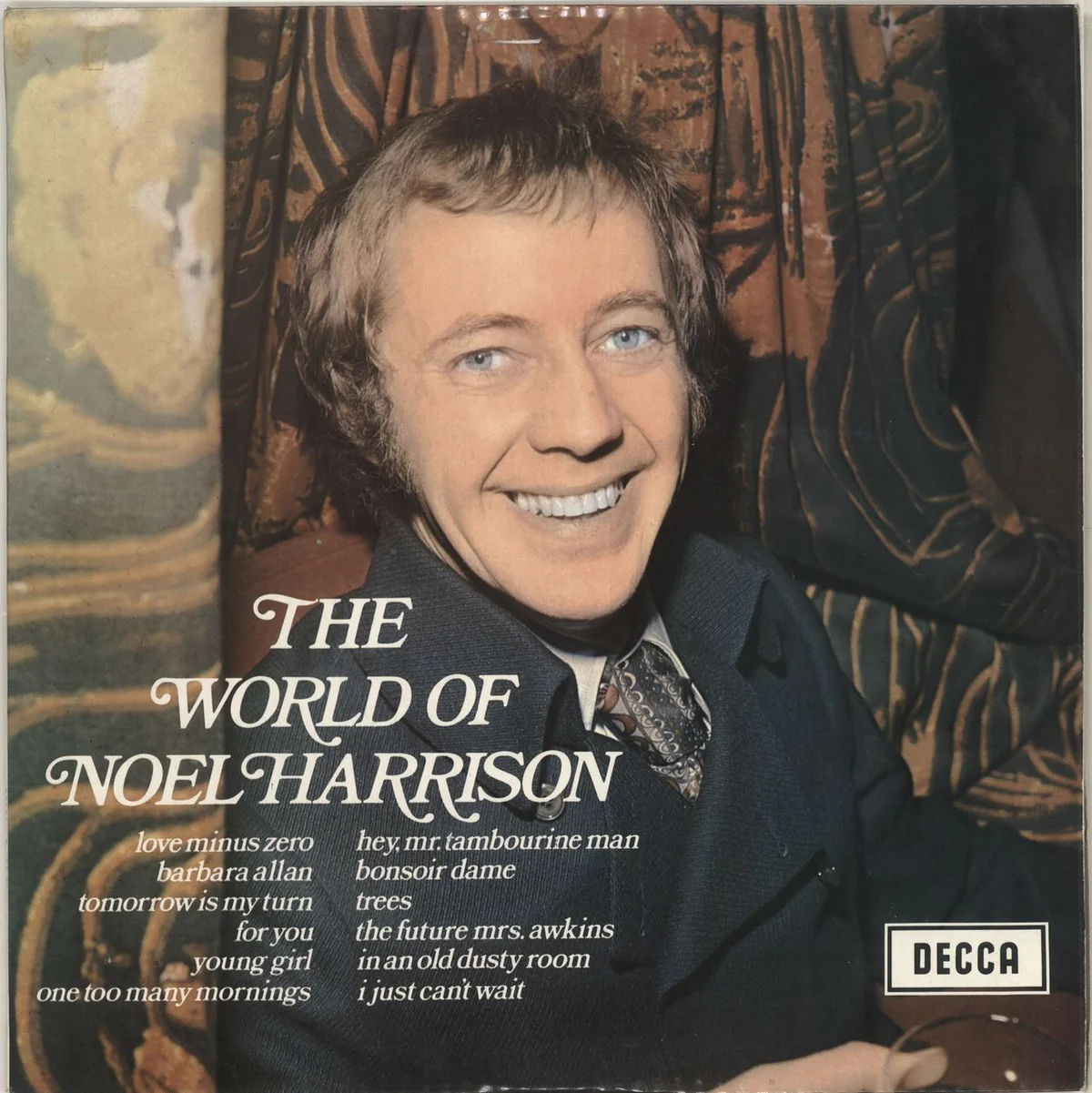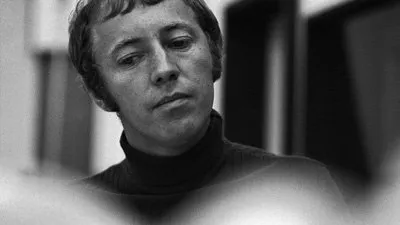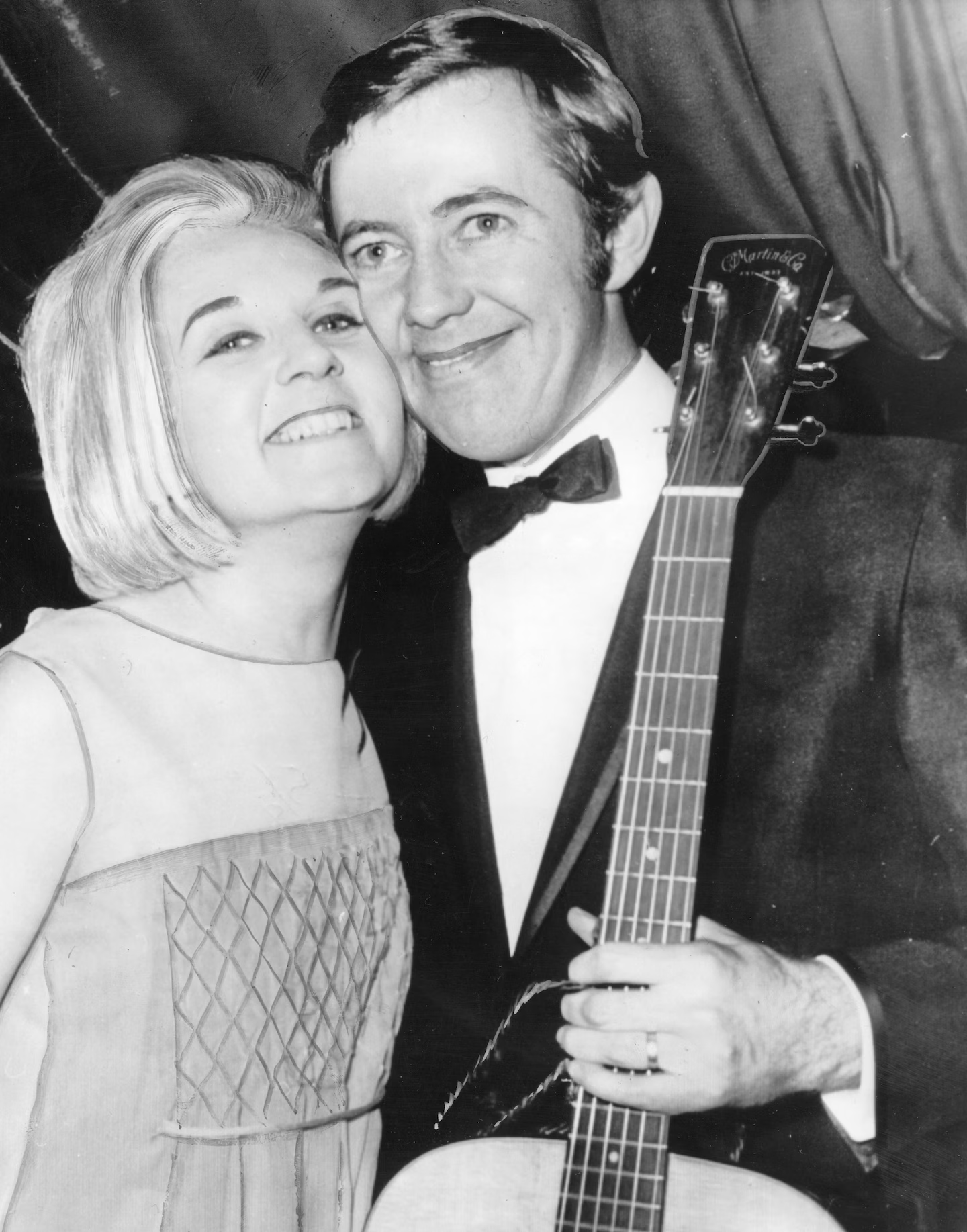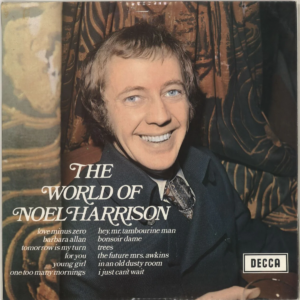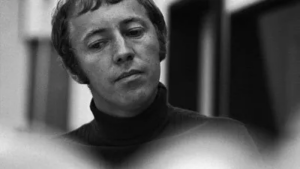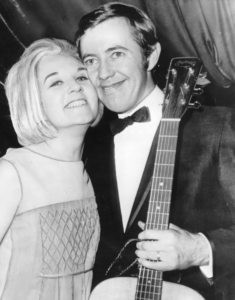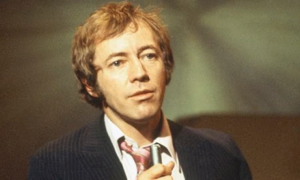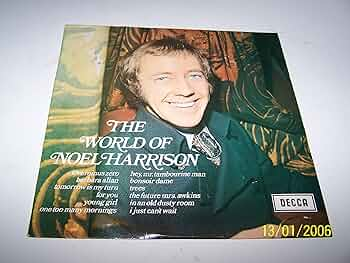
In assessing my career, the critical reception has always been a fascinating blend of acclaim for my songwriting and recognition for a unique artistic path. The journey from a young folk singer in London’s coffee houses to an Oscar-winning recording artist was never linear, and the critical commentary reflects that. This page offers a curated look at the professional verdicts, chart ratings, and enduring impact of my work, piecing together the narrative from early reviews to lasting legacy.
Critical Reception & Early Verdicts
My entry into the professional music world was shaped by the vibrant, often discerning UK music scene of the early 1960s. Signed to the iconic UK label Fontana Records, my initial releases were met with a curiosity that quickly turned to respect for a specific craft. The press seemed to appreciate that I was carving out a niche distinct from the prevailing trends of Merseybeat and pure pop, offering something more narrative-driven and intimate.
The Folk-Pop Debuts
The singles and my first album for Fontana established a signature sound: a blend of contemporary folk storytelling with polished, accessible pop arrangements. Critics of the time noted this hybrid quality, often positioning my work in the sophisticated space between the earnestness of the folk revival and the sheen of mainstream radio. This wasn’t protest music, nor was it disposable pop; it was songwriting aimed at a listener willing to engage with a lyric. Later work for Pye Records continued this exploration, allowing for greater production scope while maintaining the lyrical focus that had become a hallmark.
Lyrical Acclaim in the Music Press
The most consistent thread in early write-ups was the attention paid to the words. Reviewers in publications like Melody Maker and Disc frequently highlighted the “literary” quality of the songs, their character sketches, and their avoidance of cliché. This was immensely gratifying, as the construction of a line and the emotional truth of a narrative were always my primary drivers. The verdict was clear: here was an artist for whom the song, as a complete piece of writing, was paramount.
The Windmills of Your Mind: A Defining Rating
While critical praise is one measure, there are verdicts delivered by the broadest possible juries: the Academy of Motion Picture Arts and Sciences, and the record-buying public. ‘The Windmills of Your Mind’ provided a defining moment on both fronts, irrevocably altering the perception and reach of my career.
From Film to Academy Award
The song’s journey from a haunting piece in the film The Thomas Crown Affair to a standard is well-documented. The ultimate professional rating came in 1969 when ‘The Windmills of Your Mind’ won the Academy Award for Best Original Song. This Oscar win wasn’t just a personal accolade; it was a stamp of supreme quality that forever attached to the recording and elevated its stature in the popular canon. It transformed the song from a successful single into a timeless piece of art.
Chart Impact and Enduring Recognition
Following the Oscar win, the single re-entered the UK charts, cementing its status as my signature song. Its chart performance was a tangible rating from the public, affirming its appeal. But the truer measure has been its endurance. The song’s complex, spiralling melody and metaphysical lyrics have ensured its continuous rediscovery and recording by artists across genres, from Dusty Springfield to Sting. Its inclusion in countless films, documentaries, and playlists acts as a perpetual, positive verdict on its power.
Album Verdicts Across My Discography
Beyond the singular hit, the album format allowed for deeper artistic statements. The critical reception of these LPs charts a journey of exploration and maturation, from the psych-tinged experiments of the late ’60s to the reflective works of later decades.
The RCA Years and Artistic Exploration
My period with RCA in the late 1960s and early 1970s represented a conscious push against being pigeonholed. Albums like The Great Electric Experiment is Over were ambitious, incorporating baroque pop elements, orchestration, and social commentary. Critics acknowledged the ambition, even if some were perplexed by the eclectic direction. The verdict was often that this was an artist unafraid to evolve, trading the straightforward folk-pop of earlier years for a richer, more textured sonic palette. This table highlights the scope of this era:
| Album | Label (Era) | Critical Focus | Thematic Core |
|---|---|---|---|
| Noel Harrison (Debut) | Fontana Records | Lyrical sophistication, folk-pop blend | Storytelling, character studies |
| The Great Electric Experiment is Over | RCA Victor | Artistic ambition, eclectic production | Social change, personal introspection |
| Collage | Mountain Records | Mature songwriting, vocal assurance | Reflection, love, artistic journey |
Later Work and Retrospective Appraisal
In later decades, the critical lens shifted towards appreciation of consistent craft. The album ‘Collage’ was a celebrated later-career work showcasing mature songwriting. Released in the 1990s, it was received as the work of an artist completely comfortable in his voice, weaving personal history with refined melodic skill. Retrospective reviews of my catalogue often pinpoint this album as a highlight, a verdict that pleases me greatly as it represents a pure, undiluted expression of my songwriting philosophy.
Live Performance & Stage Credibility
The recording studio offers one kind of verdict; the immediate reaction of a live audience offers another, more visceral one. My reputation was built as much on the stage as in the studio, across a spectrum of venues that demanded different skills.
The Intimacy of the Club Circuit
The foundation was laid in the acoustic clubs of London. I performed frequently at London’s famous folk venue, The Troubadour, a crucible for singer-songwriters. In those close, quiet rooms, there was nowhere to hide. The verdict was instant—a hushed audience or a stirring between songs told you everything. This environment honed a direct, communicative performance style, where the story within the song was paramount. It was the ultimate test of a lyric’s power.
Commanding the Theatre Stage
As my profile grew, so did the stages. Transitioning to concert halls and theatre tours required a different kind of energy—projecting intimacy to the back row. These performances, often blending music with autobiographical storytelling, solidified a reputation for engaging, credible live work. This stagecraft also translated to television, where I became a familiar face on UK programmes. Appearances on shows like BBC’s ‘Top of the Pops’ required a condensed, impactful performance, another form of professional validation in an intensely competitive arena.
Legacy Ratings: Influence & Cultural Footprint
The final, and perhaps most meaningful, ratings are those that accrue over time. Legacy is not decreed by a single review but built through the quiet influence on other artists and the persistent resonance of work in the culture.
Songwriter’s Influence
I have been heartened to hear from later songwriters who cite my early Fontana or RCA work as an influence, particularly in demonstrating how personal, literate lyrics could inhabit a pop framework. This subtle lineage—the passing on of a commitment to craft—is a profound verdict. The specific qualities often mentioned include:
- The integration of narrative and melody.
- The willingness to tackle complex emotional or philosophical themes in an accessible way.
- The model of an artist pursuing a personal path outside dominant trends.
Enduring Resonance in Modern Culture
The cult status of certain recordings, the sampling of tracks by hip-hop producers, the continued licensing of ‘Windmills’ for major films, and the steady rediscovery of albums like ‘Collage’ by new listeners online—all these are ongoing ratings. They indicate that the work possesses a vitality beyond its original context. This cultural footprint, however modest, suggests the songs contain an enduring emotional truth that continues to connect.
Frequently Asked Questions
What is Noel Harrison’s most famous song?
Undoubtedly, my signature song is ‘The Windmills of Your Mind’. Its Academy Award win in 1969 and its enduring presence in film and television have cemented its status as my most widely recognised work, though my personal catalogue holds many other pieces of which I am equally proud.
For which record label did Noel Harrison first record?
My early professional recordings were made for the iconic UK label Fontana Records in the 1960s. This period was crucial in establishing my initial sound and reputation as a singer-songwriter within the British folk-pop scene.
Did Noel Harrison perform live often?
Yes, live performance was a cornerstone of my career. It began in intimate London clubs like The Troubadour and expanded to major theatre tours and numerous television appearances, including on the BBC’s ‘Top of the Pops’. The connection with a live audience was always essential to my work.
What is a key later album in Noel Harrison’s discography?
The album ‘Collage’, released in the 1990s, is often highlighted as a key later-career work. It showcases a mature, reflective songwriting style and is frequently mentioned by long-time listeners and critics as a particularly strong and personal collection of songs.
How did ‘The Windmills of Your Mind’ impact Noel Harrison’s career?
Winning the Oscar propelled the song to global recognition, which naturally broadened my audience significantly. It became a defining track, opening doors to larger performance opportunities and international television work. While it sometimes overshadowed other material, it also provided a platform that allowed me to continue making music on my own terms for decades.
Ultimately, the most meaningful rating of my work is its continued connection with listeners, a testament to the songs’ enduring emotional truth. From the ink-stained verdicts of the weekly music press to the quiet discovery of a track online today, this ongoing conversation is the final, and most gratifying, review.