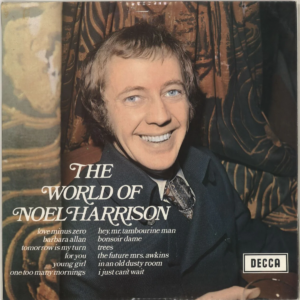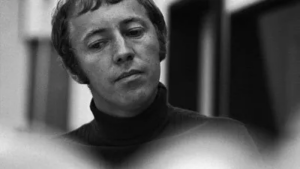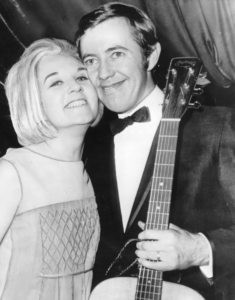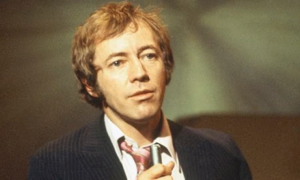
Looking back, I’ve been fortunate to create music that has travelled far. From London’s folk clubs to grand stages and film soundtracks, each song represents a distinct chapter. This collection is a map of artistic exploration and the collaborations that shaped my sound. I invite you to explore these selected works, the milestones and personal favourites that tell the story of my lifelong conversation with music.
The Windmills of Your Mind: A Defining Moment
There are songs you record, and then there are songs that become part of the cultural fabric. “The Windmills of Your Mind” was undoubtedly the latter. Recording it was one thing, but seeing it win the Academy Award in 1968 was a moment of profound surprise and pride. It transformed from a track into a piece of history.
The Oscar-Winning Original
The song’s journey began with its inclusion in The Thomas Crown Affair. Composed by Michel Legrand, with lyrics by Alan and Marilyn Bergman, it was a complex piece that captured the film’s psychological tension. My recording was the original vocal version. To have been the voice that introduced this masterpiece remains a deep honour. The night it won was a validation for everyone who believed in the power of a truly ambitious song.
A Signature Song’s Lasting Impact
The legacy of “Windmills” is something I’ve watched unfold over decades. It became a standard, recorded by countless artists from Dusty Springfield to Sting. Its use in films and television has introduced it to new generations, proving its timeless quality. It remains, for many, the piece I am most associated with.
Album Landmarks: From Folk to the Charts
My recording career was a journey through different sounds. The transition from intimate folk to fuller production was a natural evolution, guided by my own interests and the changing musical landscape.
Early Folk Recordings
My roots were in the folk scene. Early albums focused on storytelling and direct connection, often featuring just voice and guitar. This period was crucial for developing my phrasing and understanding of songcraft, immersing myself in traditional and contemporary folk writing.
The RCA and Philips Years
Signing with major labels like RCA Victor and Philips allowed for greater production scope. Albums such as The Great Electric Experiment is Over and The Life of a Man explored folk-rock territories. Working with these labels was about reaching a wider audience without sacrificing the narrative heart of the music.
Songs That Shaped My Path
Beyond the hits, certain recordings hold a special place for how they shaped my artistic path. These songs are the threads that connect the chapters of my career.
Interpreting Songwriters
I’ve always been drawn to the poetry of other writers. Recording Leonard Cohen’s “Suzanne” was a privilege; it’s a song of haunting beauty. Similarly, tackling the Kinks’ “The Last of the Steam-Powered Trains” allowed me to channel a different kind of British storytelling. These covers were my conversations with the original material.
My Own Compositions
While interpreting others’ work was a joy, writing my own material provided a different fulfilment. Songs like “A Young Girl” came from a personal place, allowing me to explore internal themes. This process, from a blank page to a finished recording, is where you truly put your own stamp on your musical identity.
Collaborations and Musical Kinships
Music is rarely solitary. The people you work with irrevocably shape the final sound. I was blessed to collaborate with immensely talented individuals.
Working with Arrangers
The contribution of a gifted arranger cannot be overstated. Working with someone like John Cameron was a masterclass in musical colour. He could take a simple folk song and give it a cinematic sweep. These studio dialogues often elevated the material in ways I hadn’t initially imagined.
Live Performances
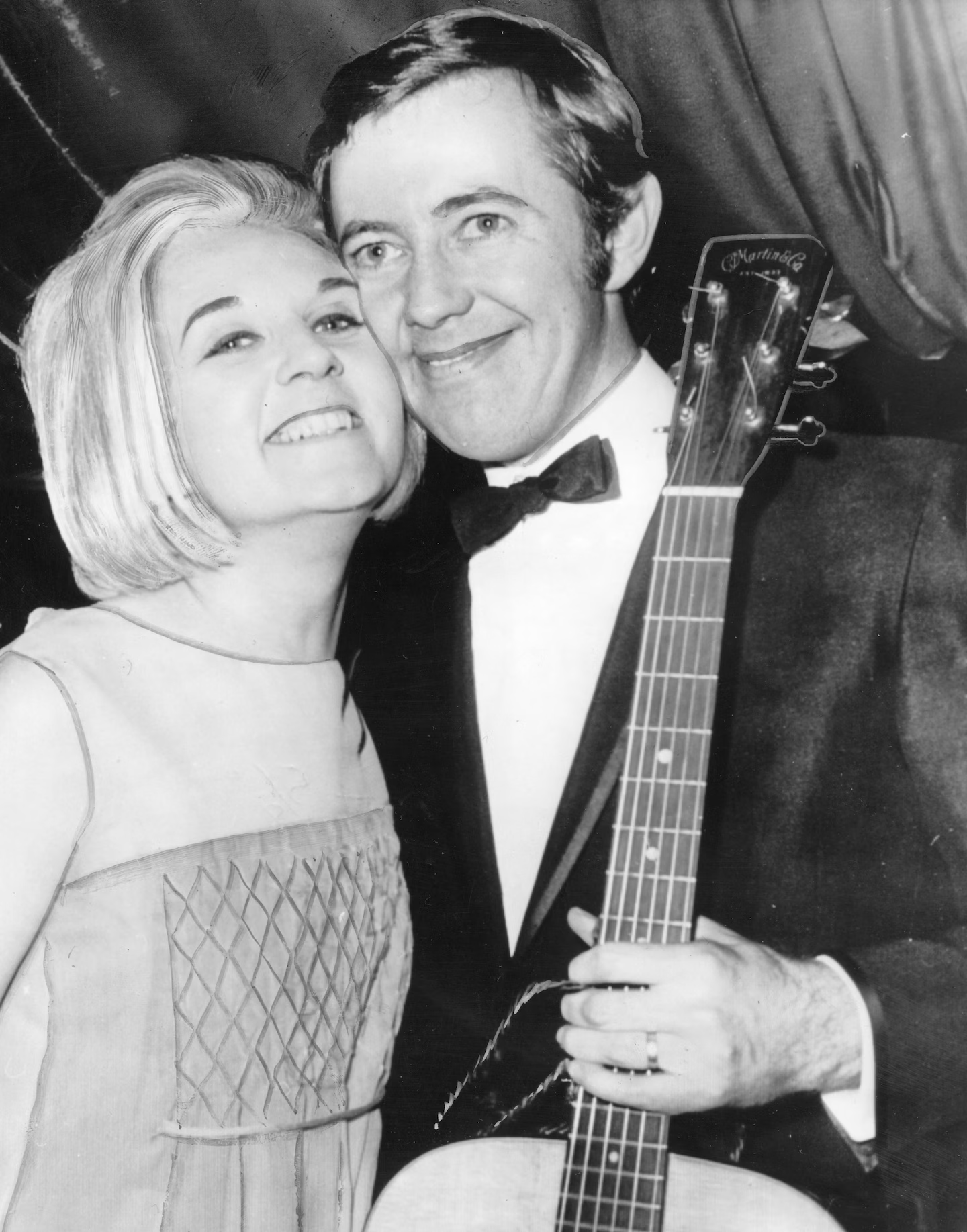
Taking the music to the stage was where everything came alive. Performing at venues like the Royal Albert Hall was a pinnacle. The atmosphere and the immediate feedback from a live audience created an energy entirely different from the studio. These were shared moments, both thrilling and humbling.
My Music on Screen and Stage
My parallel career in acting naturally intertwined with my music. Songs found homes in film and television, creating a unique synergy.
Music for Television
Television provided a fantastic platform. Contributing songs to series I acted in, like The Girl from U.N.C.L.E., was a seamless blend. It allowed the character and the music to inform one another, giving songs a narrative context and introducing my music to new viewers.
The Actor-Songwriter
This duality has always felt complementary. An actor interprets a script; a songwriter interprets life. In both, you’re searching for truth and connection. When a song was used in a film, it felt like the two halves of my creative self were in dialogue.
The Music’s Journey: Legacy and Listeners
The most remarkable aspect is that once music leaves your hands, it begins its own journey. I’ve been fascinated by how these works have found listeners across different eras.
Vinyl to Digital
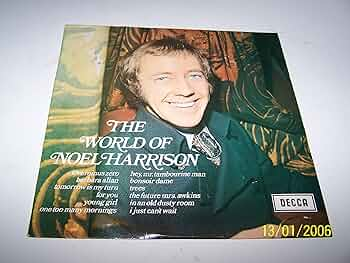
From original vinyl pressings to digital streams, the mediums have changed dramatically. Hearing that my early albums have been re-released or discovered on streaming platforms is incredibly gratifying. It means the music has transcended its original format.
Connecting with Listeners
Ultimately, that connection is what it’s about. A letter from someone who found solace in a lyric, or a new fan discovering “Windmills” through a film—these moments give the work its lasting meaning. Music is a living conversation across time. This body of work is my side of that lifelong conversation, and I remain deeply grateful to every person who has listened.